

Table of Contents
- THE ASHES OF ANGELS — A Tale of Repackaged Deception
- PART ONE: The Original Story of “Tea Without Sugar”
- THE END
- 1. The Repackaging of the Same Lie
- In the Story:
- Modern Parallel:
- 2. The Tasteless Product — Neither Good Nor Bad
- In the Story:
- Modern Parallel:
- 3. The Fear of Admitting “Nothing”
- In the Story:
- Modern Parallel:
- 4. The Collective Self-Deception
- In the Story:
- Modern Parallel:
- 5. The Absence of Evidence — and the Demand for Faith
- In the Story:
- Modern Parallel:
- 6. The Price of Self-Esteem
- In the Story:
- Modern Parallel:
- 7. The Perpetual New Audience
- In the Story:
- Modern Parallel:
- 8. The Victim’s Complicity
- In the Story:
- Modern Parallel:
- 9. The Real Wealth: Not Sugar, But Credulity
- In the Story:
- Modern Parallel:
- 10. The Unanswered Question
- In the Story:
- Modern Parallel:
- 11. Ali vs. Modern Clergy: A Side-by-Side Comparison
- 12. The Ultimate Irony
- 13. The Only Cure
- In the Story:
- In Modern Times:
- Final Reflection
THE ASHES OF ANGELS — A Tale of Repackaged Deception
PART ONE: The Original Story of “Tea Without Sugar”
After Ali had grown immensely wealthy from his “angel” scheme, he lived comfortably for many years in his village. He built a fine house, wore expensive clothes, and ate the best food. But as the wise saying goes — ill-gotten wealth never lasts forever.
One fateful night, while Ali was away visiting relatives in a neighboring town, a great fire broke out in his compound. The flames consumed everything — his house, his furniture, and most tragically for Ali, the very hut where the “angel” had supposedly appeared. By morning, nothing remained but a pile of grey, dusty ashes.
When Ali returned and saw the destruction, he tore his clothes and wept loudly for all to see. The villagers, who still believed he was a holy man favored by angels, came to comfort him. They brought food, money, and gifts to help him rebuild.
But Ali was not weeping from loss alone — he was already thinking.
As he sat among the ruins, sifting through the cold ashes with his fingers, an idea began to form in his cunning mind. He carefully gathered the finest, greyest ashes into small calico bags and tied them securely. He packed these bags into a large travelling sack and set off for a distant town — one where no one knew his name or his story.
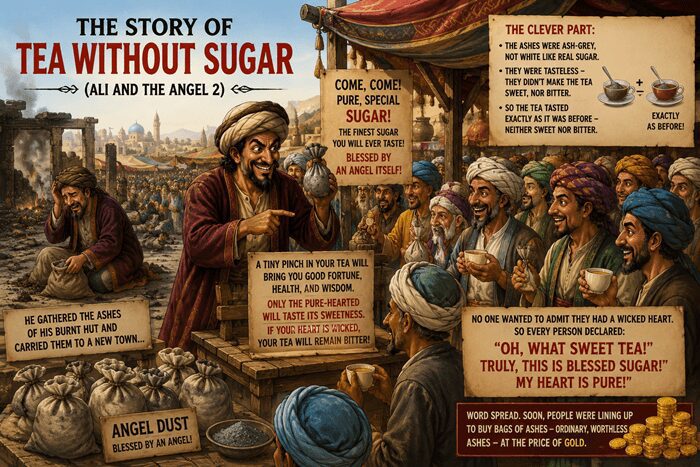
Upon arriving at the marketplace of this new town, Ali set up a small stall and began to shout with great enthusiasm:
“Come, come, good people! Come and see! I have brought you the most wonderful sugar you will ever taste! This is no ordinary sugar — it is ANGEL SUGAR! It was blessed by a heavenly angel who appeared to me in a vision. A single pinch of this sugar in your tea will bring you good fortune, excellent health, wisdom, and protection from all evil!”
A crowd quickly gathered, intrigued by his bold claims.
Ali continued:
“But beware! This sugar is special. Only those with pure and righteous hearts will taste its sweetness. If your heart is wicked or sinful, your tea will remain bitter. So when you taste it, you will know the truth about your own soul!”
The people marvelled at this. They had never heard of such sugar before. Eager to prove their righteousness, they began to buy the bags of grey powder at Ali’s price — a price far higher than ordinary sugar.
One by one, they went home, brewed their tea, and added a pinch of the “angel sugar.” They stirred it carefully and took a sip.
Here is the clever trick: the ashes were tasteless. They added nothing to the tea — neither sweetness nor bitterness. The tea tasted exactly as it had before.
But each person remembered Ali’s warning: “Only the pure-hearted will taste sweetness.”
They tasted the tea. It was not sweet. It was not bitter. It was just… tea.
But what were they to do? Admit they had a wicked heart? Admit they were sinful? Admit they were unworthy?
No! That was unthinkable. To admit such a thing would bring shame upon them in the eyes of their family, their neighbors, and their community.
So every single person who bought the ashes came back to the marketplace and declared loudly:
“Oh, what wonderful sugar! My tea was so sweet! Truly, this is angelic sugar! I have been blessed!”
Word spread like wildfire. If one person said it was sweet, others believed them. If ten people said it, it must be true. Soon, hundreds were lining up, each one desperate to buy a bag of ashes — ordinary, worthless ashes — at the price of gold.
Ali sat back, counting his money, smiling quietly to himself. He had done it again.
Before long, the entire town believed they had tasted the sweetest tea of their lives — all because no one wanted to be the one to say, “I tasted nothing.”
And Ali, the master trickster, packed his bags once more and moved on to another town, where a fresh crowd awaited — ready to buy ashes and call it sugar.
THE END
PART TWO: Full Commentary — Symbolism and Modern-Day Tricks
1. The Repackaging of the Same Lie
In the Story:
After the hut burned down, Ali didn’t invent a new scam from scratch. He simply recycled the old one. He took something worthless (ashes) and gave it a new name, a new story, and a new market. The product changed, but the method remained identical.
Modern Parallel:
When a religious scam is exposed or loses its appeal, it is simply rebranded:
-
“Miracle water” becomes “anointed oil.”
-
“Healing handkerchiefs” become “blessed wristbands.”
-
“Prophetic prayers” become “deliverance sessions.”
-
“Crusade tickets” become “online streaming passes.”
-
“Seed sowing” becomes “covenant partnership.”
Tactic: Never abandon the lie — just change the packaging. There is always a new audience, a new generation, or a new town that hasn’t heard the old story.
2. The Tasteless Product — Neither Good Nor Bad
In the Story:
The ashes were neutral. They added nothing to the tea. They were neither sweet nor bitter. But Ali framed them as either sweet or bitter depending on the drinker’s moral state.
Modern Parallel:
Many religious products are psychologically neutral:
-
Holy water is just water.
-
Anointed oil is just olive oil.
-
Prayer handkerchiefs are just pieces of cloth.
-
Prophecies are just vague statements.
They do nothing — but they are framed as powerful or useless depending on your “faith.” If nothing happens, it’s your fault. If something good happens (by coincidence), it’s the product’s power.
Tactic: Sell neutral items with conditional claims. If it works, you get the credit. If it doesn’t, the victim gets the blame. Either way, you win.
3. The Fear of Admitting “Nothing”
In the Story:
Every buyer tasted the tea and found it unchanged. But not a single person admitted this. Why? Because to say “I tasted nothing” was to say “I am wicked” or “I am a sinner.” The fear of public shame was stronger than the commitment to truth.
Modern Parallel:
In many religious settings:
-
People testify to healings that did not happen.
-
People declare breakthroughs that have not come.
-
People shout “I receive it!” while feeling nothing.
-
People claim “God has provided!” while their situation remains unchanged.
Why? Because admitting the truth would mean:
-
Being labeled “faithless.”
-
Being judged by the congregation.
-
Losing status and community.
-
Being accused of “blocking your own blessing.”
Tactic: Create a culture of performative testimony where everyone must publicly affirm the miracle — even when privately they know it’s a lie. The fear of shame silences doubt.
4. The Collective Self-Deception
In the Story:
After the first person lied, the next person believed them. After ten people lied, the lie became truth. Before long, the entire town was genuinely convinced they had tasted sweet tea — because everyone said so.
Modern Parallel:
This is groupthink in action:
-
If everyone in the church is speaking in tongues, you must too.
-
If everyone is falling under the power, you must too.
-
If everyone is testifying to a miracle, you must too.
-
If everyone is saying the pastor is genuine, you must too.
Humans are social creatures. We look to others to know what is real. When the group agrees on a lie, the individual’s brain rewires itself to accept that lie as truth.
Tactic: Use the power of the crowd to manufacture consensus. Make the lie socially mandatory. Isolate anyone who doubts.
5. The Absence of Evidence — and the Demand for Faith
In the Story:
Ali never provided any proof that the sugar was real. He simply made a claim and attached a condition: “If it doesn’t work, it’s your fault.” No one could challenge him because the test was subjective — the taste of the tea was personal and unverifiable.
Modern Parallel:
Religious scammers always make claims that are:
-
Unverifiable — “It worked spiritually, not physically.”
-
Subjective — “You felt it in your heart.”
-
Conditional — “It didn’t work because you doubted.”
-
Delayed — “It will manifest in three months.”
Tactic: Make your claims impossible to disprove. Shift the burden of proof onto the victim. This way, you are never held accountable.
6. The Price of Self-Esteem
In the Story:
People paid more than the price of ordinary sugar for a bag of ashes. They didn’t pay for the product — they paid for the feeling of being pure-hearted. They paid for their self-esteem.
Modern Parallel:
People give huge offerings, tithes, and donations not for the product itself, but for:
-
The feeling of being “blessed.”
-
The status of being a “generous giver.”
-
The assurance of “divine favor.”
-
The comfort of “heavenly protection.”
-
The validation from the pastor and congregation.
Tactic: Sell self-esteem and spiritual validation, not products. People will pay anything to feel righteous, chosen, and special.
7. The Perpetual New Audience
In the Story:
After Ali sold all his ashes in one town, he simply moved to another. He knew that a fresh audience would believe the same lie because they hadn’t heard it before.
Modern Parallel:
-
When a scandal hits one church, the pastor starts a new one in another city.
-
When a prophecy fails, the prophet moves to another country.
-
When the internet exposes one scam, the scammer rebrands and targets a new generation.
-
When one product is debunked, a “new anointing” is launched.
Tactic: Never stay too long. There is always a new market, a new town, a new country, or a new online platform full of fresh believers who haven’t been warned yet.
8. The Victim’s Complicity
In the Story:
Ali did not force anyone to lie. They chose to lie — to protect their reputation, to avoid shame, and to maintain the illusion of righteousness. They were willing participants in their own deception.
Modern Parallel:
Victims of religious scams are often complicit:
-
They testify to miracles they did not receive.
-
They defend pastors who have exploited them.
-
They silence critics and whistleblowers.
-
They recruit new members to the church.
-
They attack anyone who tries to expose the truth.
Why? Because admitting you were scammed means admitting you were foolish, desperate, or naive — and that is too painful for many people to accept.
Tactic: Turn your victims into your voluntary promoters. Make them so invested in the lie that they will defend it with their lives. They become your best salespeople — and they work for free.
9. The Real Wealth: Not Sugar, But Credulity
In the Story:
Ali didn’t get rich because of the ashes. He got rich because of the people’s willingness to believe. The ashes were worthless. The credulity was priceless.
Modern Parallel:
Religious scammers don’t make money from water, oil, handkerchiefs, or prayers. They make money from:
-
Desperation — People who need hope.
-
Ignorance — People who lack critical thinking.
-
Fear — People who are afraid of curses and hell.
-
Insecurity — People who need validation.
-
Gullibility — People who believe without evidence.
Tactic: Identify the most vulnerable, desperate, and trusting people. They are your best customers. They will believe anything if it gives them hope.
10. The Unanswered Question
In the Story:
The story ends with Ali laughing and moving on. There is no justice. There is no exposure. The people remain deceived — and they will never know the truth, because they are too ashamed to admit they saw nothing and tasted nothing.
Modern Parallel:
Today, most religious scammers never face justice.
-
They are too powerful.
-
They are too protected.
-
Their victims are too ashamed to speak up.
-
Their followers will defend them against any accusation.
-
They use the law, wealth, and connections to silence critics.
The tragedy is not that the scam exists — the tragedy is that it continues, generation after generation, because the victims refuse to admit they were deceived.
Tactic: Rely on the shame of your victims to protect you. They will never expose you, because doing so would expose themselves.
11. Ali vs. Modern Clergy: A Side-by-Side Comparison
| Element | Ali’s Trick | Modern Religious Trick |
|---|---|---|
| The Claim | Angel appeared | God spoke, miracle happened |
| The Product | Ashes called “angel sugar” | Water, oil, cloth, prayers |
| The Condition | Only pure hearts taste sweetness | Only faith unlocks the blessing |
| The Test | Subjective taste test | Subjective feeling or later manifestation |
| The Fee | Price of gold for ashes | Tithes, offerings, seed sowing |
| The Fear | Fear of being called a sinner | Fear of being called faithless |
| The Crowd | Everyone lied to avoid shame | Everyone testifies to avoid judgment |
| The Endorsement | The king led the lie | Celebrities, politicians, wealthy members |
| The Exit | Ali moved to another town | Pastor starts another church in another city |
| The Victim | Blamed themselves for not tasting sweetness | Blame themselves for not having enough faith |
| The Result | Ali got rich; people stayed poor | Clergy get rich; followers stay poor |
12. The Ultimate Irony
The greatest irony of the story — and of modern religious deception — is this:
Ali never claimed to be holy.
The people made him holy.
Ali simply offered a lie. The people embraced it, promoted it, defended it, and paid for it — all because they were too proud to admit they saw nothing and tasted nothing.
The same happens today.
No pastor can deceive a congregation that refuses to be deceived.
No prophet can manipulate people who are willing to question.
No scammer can exploit a community that values truth over comfort.
The power of the scammer is the power the crowd gives them.
13. The Only Cure
In the Story:
There was no hero. No wise man stepped forward to expose Ali. The people remained deceived — and they will never know the truth.
In Modern Times:
The only cure is:
-
Education — Teach people to ask questions.
-
Critical Thinking — Teach people to distinguish evidence from assertion.
-
Courage — Teach people to say, “I see nothing” and “I tasted nothing.”
-
Community Accountability — Build spaces where doubt is allowed.
-
Transparency — Demand that religious leaders open their books and their lives.
Until then, Ali will always find a new town — and a new crowd — ready to buy ashes and call it sugar.
Final Reflection
The Ashes of Angels is not just a children’s story.
It is a prophetic warning — a mirror held up to every generation.
Ali sold ashes and called it sugar.
Today, others sell water and call it healing.
They sell oil and call it protection.
They sell words and call them prophecy.
They sell silence and call it peace.
And the crowd — the same crowd — lines up to buy,
pays the price,
tastes the emptiness,
and declares it sweet —
Because the alternative — admitting they taste nothing —
is too shameful to bear.
So the scam continues.
And Ali laughs — all the way to the bank.
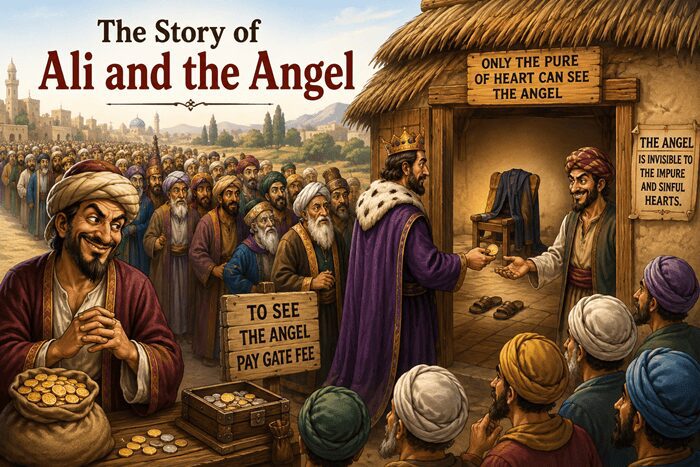
Ali and the Angel — A Tale of Deception, Fear, and the Crowd That Chose to Lie
Here is the full narration of "Ali and the Angel,"...

The Certificate Deception: Why Your Degree May Not Feed You If You Cannot Fix Anything
Let me tell you a story that is playing out in alm...
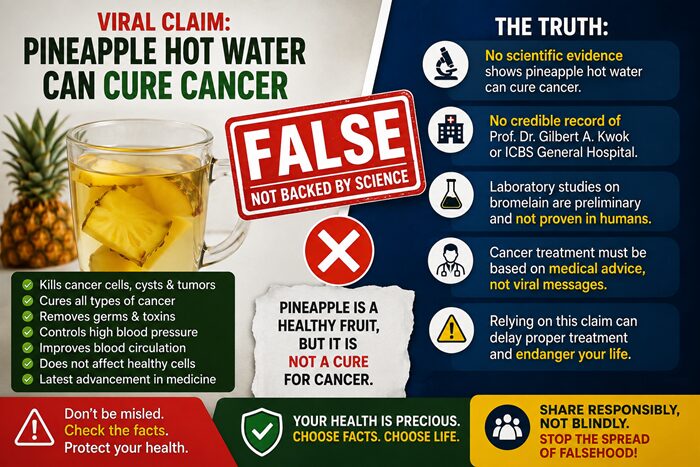
Pineapple Hot Water Does NOT Cure Cancer: Fact-Checking a Dangerous Viral Claim
Introduction Health misinformation can spread rem...

The Sound of Heaven: How Drums and Music Found Their Way into Church
From Silence to Celebration – The Long and Winding...
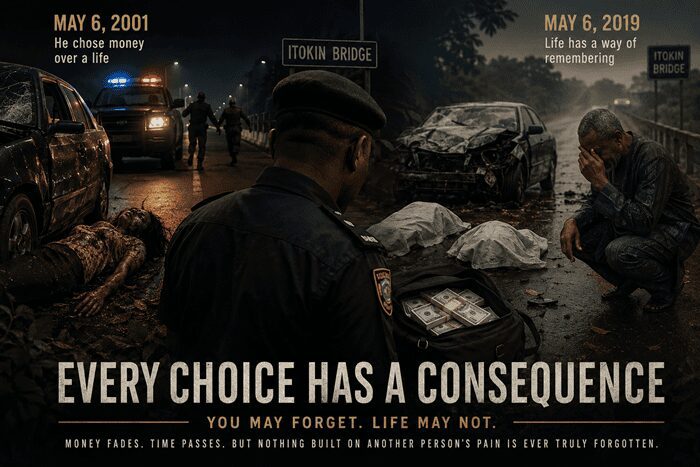
The Price of Greed: A Story About Life, Consequences and the Value of Saving a Human Being
There are moments in life when a person is given a...